Welcome Embroidery: A Versatile Font for Creative Projects
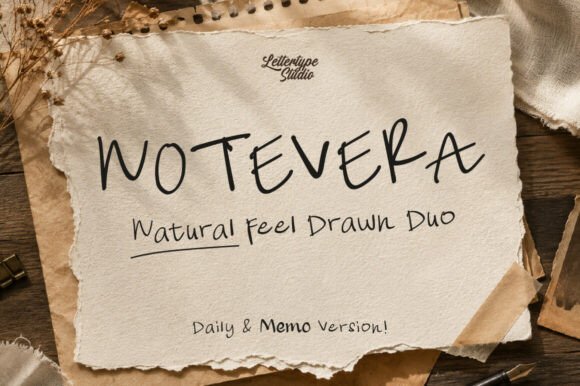
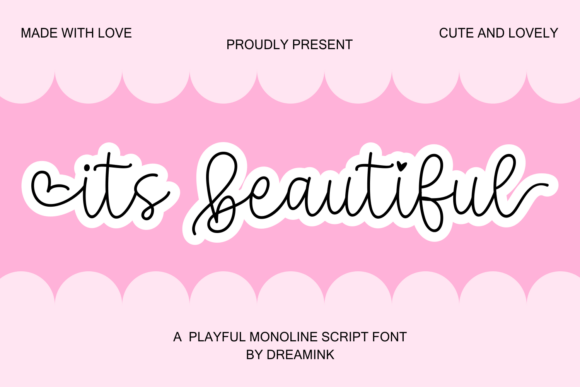
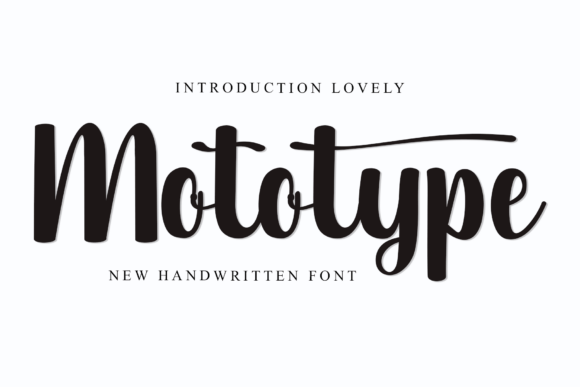
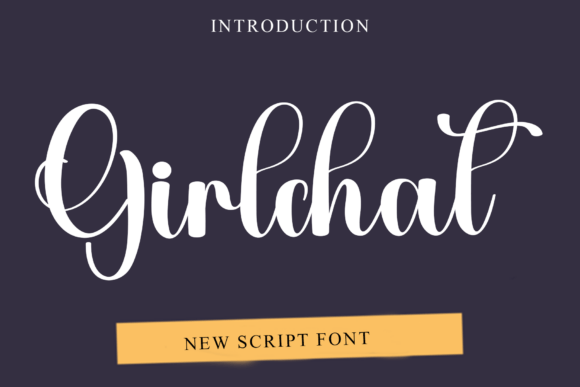
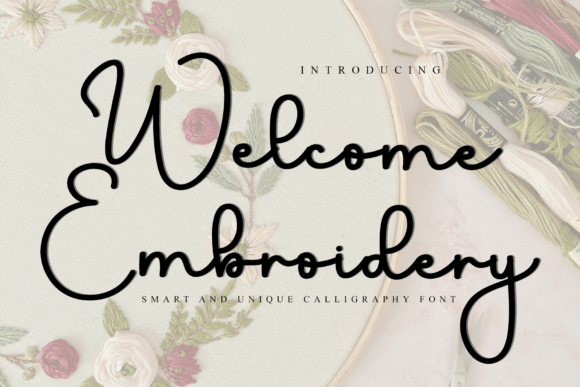
Welcome Embroidery is a beautiful and eye-catching font that brings a soft, unique touch to any design. Its distinctive strokes give it a special character, making it meaningful and versatile for future use. Whether you're working on a logo, a greeting card, or a website header, this font can elevate your project with its elegant and artistic appeal.
Why Welcome Embroidery Stands Out
Designed with attention to detail, Welcome Embroidery offers a natural font style that blends seamlessly into various creative works. Its compatibility with Windows and open-source platforms makes it accessible to a wide range of users. From beginners to professionals, creators across different fields can benefit from using this font in their projects.
The font's versatility allows it to be used in a variety of applications, including graphic design, web development, and print media. Its unique strokes add a personal touch to text, making it ideal for branding, invitations, and promotional materials.
Common Mistakes When Choosing Welcome Embroidery
While Welcome Embroidery is an excellent choice for many projects, there are some common mistakes people make when selecting and using it. One of the most frequent errors is not considering the font's legibility in different sizes and contexts. For example, using it in small text on a website may reduce readability, especially for users with visual impairments.
Another mistake is assuming that because it’s visually appealing, it will work well in all situations. In reality, the font may not be suitable for long paragraphs or formal documents due to its decorative nature. It's important to use it judiciously to maintain clarity and professionalism.
How to Avoid These Mistakes
To ensure that Welcome Embroidery enhances your designs rather than hinders them, consider the following tips:
- Use it for headings and titles: This font shines in larger text, such as headlines, banners, or logos. It adds visual interest without compromising readability.
- Test it in different sizes: Before finalizing your design, check how the font appears at various sizes. This helps avoid issues with legibility on screens or in print.
- Pair it with simpler fonts: Combining Welcome Embroidery with a clean, sans-serif font can create a balanced and professional look. This approach is particularly useful in multi-font designs.
Understanding the Compatibility and Availability
Welcome Embroidery is compatible with various applications, including popular design tools like Adobe Photoshop, Illustrator, and Canva. Its availability on both Windows and open-source platforms ensures that it can be used by a wide range of users, regardless of their preferred software.
However, it's essential to verify the licensing terms before downloading or purchasing the font. Some fonts require a commercial license for use in business projects, while others are free for personal or non-commercial use. Always read the terms carefully to avoid legal issues later on.
What to Check Before Using Welcome Embroidery
Before incorporating Welcome Embroidery into your project, take the time to review the following details:
- License agreement: Ensure that the font's usage rights align with your intended application. If you're designing for a client or business, confirm that the license allows for commercial use.
- Font quality: Download the font from a reputable source to ensure it's high-quality and free from malware or corruption. Avoid using pirated or unverified versions of the font.
- Compatibility: Test the font in your chosen design software to confirm that it works correctly. Some fonts may not render properly in certain programs or operating systems.
Practical Tips for Maximizing the Use of Welcome Embroidery
To get the most out of Welcome Embroidery, consider experimenting with different design elements. For instance, combining the font with textures, colors, or patterns can enhance its visual impact. You can also try using it in conjunction with other decorative fonts to create a cohesive and stylish look.
Additionally, keep in mind that the font's unique strokes may not be suitable for every design project. If you're unsure whether it's the right fit, start with a small test project to see how it looks in context. This approach allows you to make adjustments before committing to a larger design.
Finally, don't hesitate to seek feedback from others. Getting input from peers or clients can help you identify any potential issues with the font's use and ensure that your design meets the desired goals.
Realistic Examples and Better Approaches
Imagine you're designing a wedding invitation. Using Welcome Embroidery for the main title can add a romantic and elegant feel to the design. However, if you use it for the entire invitation, including the body text, it may become difficult to read. Instead, pair it with a simple serif or sans-serif font for the body text to maintain clarity and aesthetics.
In another scenario, suppose you're creating a brand logo for a boutique clothing store. Welcome Embroidery could be an excellent choice for the brand name, as it conveys a sense of craftsmanship and artistry. To ensure the logo remains professional, pair it with a clean, minimalist font for any supporting text or taglines.
By thoughtfully applying Welcome Embroidery and being mindful of its strengths and limitations, you can create designs that are both visually appealing and effective in communicating your message.