Rystabel: A Handwritten Stencil Font for Versatile Design Projects
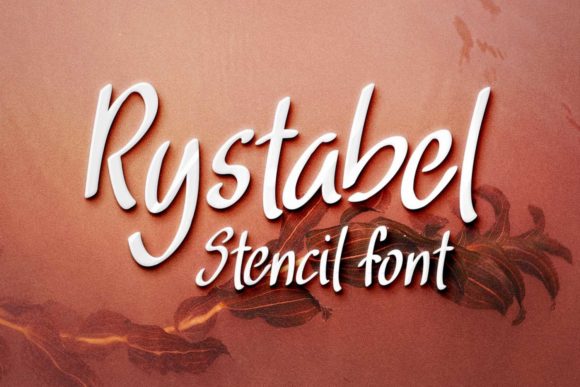
Rystabel is a carefully crafted handwritten stencil font that offers a unique blend of simplicity and elegance. Designed to be both functional and visually appealing, this font is suitable for a wide range of design applications. Whether you're working on branding materials, digital content, or print projects, Rystabel provides a clean and adaptable solution that can enhance your creative output.
Understanding the Characteristics of Rystabel
Rystabel stands out due to its neat and simple style, which makes it highly versatile. The font features a handwritten appearance with the structured clarity of a stencil, allowing it to maintain readability even at smaller sizes. This combination of traits makes it ideal for various design scenarios where legibility and aesthetic appeal are both important.
The font's design ensures that it remains legible across different mediums, from digital screens to printed materials. Its consistent stroke width and balanced letterforms contribute to its professional look, while the subtle variations in each character add a personal touch that feels handcrafted.
Challenges and Goals in Design Projects
Designers often face challenges when selecting the right font for their projects. They need to balance aesthetics with functionality, ensuring that the chosen typeface supports the message being conveyed. Additionally, there may be specific requirements based on the project's purpose, such as brand consistency, accessibility standards, or compatibility with different platforms.
Another common goal is to create a visual identity that resonates with the target audience. Fonts play a crucial role in shaping the perception of a brand or message. Choosing the wrong font can lead to misinterpretation or a lack of engagement, making it essential to select a typeface that aligns with the intended tone and style.
How Rystabel Addresses These Challenges
Rystabel offers a practical solution to these design challenges by combining readability with visual appeal. Its clean lines and structured form ensure that text remains easy to read, even in smaller sizes or low-resolution environments. This makes it an excellent choice for web content, mobile interfaces, and other digital applications where legibility is paramount.
At the same time, the handwritten nature of Rystabel adds a human element to the design, making it feel more approachable and personal. This characteristic is particularly useful for projects that aim to convey warmth, creativity, or individuality, such as invitations, social media graphics, or personal branding elements.
Practical Applications and Outcomes
Rystabel can be used in a variety of contexts, from everyday communication to specialized design work. For example, it is well-suited for use in logos, headings, and titles where a distinctive yet professional look is desired. Its adaptability also makes it a good choice for body text in publications, websites, or presentations that require a cohesive visual style.
In marketing and advertising, Rystabel can help create a strong visual identity that stands out from competitors. Its clean and modern appearance can be used to reinforce a brand's image while maintaining a friendly and approachable tone. Additionally, its versatility allows it to be paired with other fonts without clashing, making it a valuable addition to any designer's toolkit.
Examples and Recommendations
For instance, a small business owner looking to refresh their branding might choose Rystabel for their logo and website headers. The font's simplicity and elegance would convey professionalism, while the handwritten aspect adds a personal touch that can resonate with customers.
Similarly, a graphic designer working on a wedding invitation could use Rystabel to create a warm and inviting atmosphere. The font's readability ensures that guests can easily read the details, while its stylistic elements add a sense of occasion and celebration.
When using Rystabel, it's important to consider factors such as spacing, contrast, and color. Proper kerning and leading can enhance the overall appearance of the text, while choosing the right color palette can help maintain readability and visual harmony.
Different Approaches to Using Rystabel
Depending on the user's needs and preferences, there are several ways to incorporate Rystabel into design projects. Some designers may prefer to use it as a primary font for headlines and titles, leveraging its bold and expressive qualities. Others might opt for a more subtle application, using it for body text or secondary elements to add visual interest without overwhelming the design.
Additionally, users may experiment with different weights or styles of Rystabel to suit their specific requirements. While the font may not offer extensive variations, its consistent structure allows for creative reinterpretations through color, size, and layout choices.
Ultimately, the key to successfully using Rystabel lies in understanding its strengths and limitations. By aligning its characteristics with the goals of the project, designers can create compelling and effective visual solutions that meet both aesthetic and functional criteria.
Conclusion
Rystabel is a versatile and stylish handwritten stencil font that can enhance a wide range of design projects. Its clean and simple style ensures readability, while its handwritten quality adds a personal touch that can make designs feel more engaging and relatable. Whether you're working on branding, marketing, or personal projects, Rystabel offers a reliable and attractive option that can become your go-to font for various occasions.
By considering the unique needs of each project and leveraging the strengths of Rystabel, designers can create visually appealing and functionally sound designs that effectively communicate their message. As a result, Rystabel is not just a font—it's a valuable tool that can elevate the quality of your creative work.