Shavira Handwritten: A Versatile Script Font for Design Projects
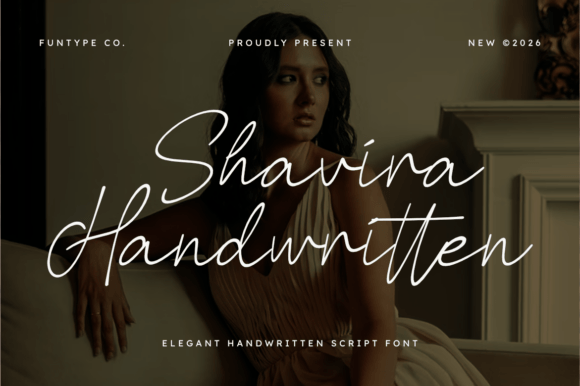
Shavira Handwritten is a beautifully crafted handwritten script font that offers a natural, flowing style reminiscent of personal handwriting. Designed to evoke elegance and sophistication, it is well-suited for a variety of design applications where a touch of individuality and refinement is desired. Whether used in branding, wedding invitations, or photography watermarks, this font brings a sense of warmth and authenticity to any project.
What Is Shavira Handwritten?
Shavira Handwritten is a digital font that mimics the appearance of cursive handwriting. It features soft curves, varying stroke widths, and subtle imperfections that give it a human feel. Unlike highly stylized or decorative fonts, Shavira Handwritten maintains a balance between readability and artistic flair, making it suitable for both short and longer text elements.
The font's design is inspired by traditional calligraphy but adapted for modern digital use. This makes it accessible to designers who want to incorporate a handcrafted look without the need for specialized tools or skills.
Why Consider Using Shavira Handwritten?
There are several reasons why designers might be drawn to Shavira Handwritten. First, its natural, flowing style can add a personal and intimate feel to any design. This makes it especially appealing for projects such as wedding invitations, thank-you cards, or personalized branding materials.
Second, the font's elegant aesthetic aligns well with high-end or luxury branding efforts. Its clean yet expressive lines can help convey a sense of professionalism while still maintaining a warm, approachable tone.
Third, Shavira Handwritten is versatile enough to work across different media types, including print, web, and digital graphics. This flexibility allows designers to apply it in various contexts without compromising visual quality.
Benefits and Tradeoffs of Using Shavira Handwritten
One of the primary benefits of using Shavira Handwritten is its ability to enhance the visual appeal of a design. The font's organic feel can make text more engaging and memorable, which is particularly valuable in marketing and branding contexts.
However, there are some tradeoffs to consider. Because it is a script font, it may not be as readable as sans-serif or serif fonts when used for large blocks of text. This means it is best suited for headlines, logos, or short phrases rather than body copy.
Additionally, while the font has a consistent style, variations in letterforms can sometimes lead to inconsistencies in spacing or alignment if not carefully managed during the design process. This requires attention to detail when setting up text elements.
Situations Where Shavira Handwritten Is a Strong Fit
Shavira Handwritten shines in scenarios where a personal, elegant touch is needed. Some common use cases include:
- Wedding Invitations: The font's soft, flowing style complements the romantic and celebratory nature of wedding stationery.
- Brand Logos: For businesses aiming to convey a sense of sophistication or artisanal quality, Shavira Handwritten can serve as an excellent choice for a signature-style logo.
- Photography Watermarks: Adding a handwritten watermark to images can create a unique and professional look without overpowering the content.
- Personalized Stationery: From thank-you notes to birthday cards, the font adds a personal and thoughtful touch to correspondence.
When to Consider Alternatives
While Shavira Handwritten is a great option for many design needs, there are situations where other fonts may be more appropriate. For example, if a project requires high readability for extended text passages, a sans-serif or serif font would likely be a better choice.
Additionally, if a designer is looking for a more formal or structured appearance, a more traditional script font or a decorative typeface could provide a different aesthetic. It's also worth considering accessibility factors, as script fonts can be challenging for some readers, especially those with dyslexia or visual impairments.
Practical Insights for Choosing Shavira Handwritten
Before deciding to use Shavira Handwritten, it's important to evaluate how well it fits the overall design goals. Ask yourself: Does the font support the message I want to convey? Will it be legible in the intended context? How does it complement the rest of the visual elements?
It's also helpful to test the font in different sizes and settings to ensure it performs well across various platforms and devices. Pay attention to how it looks in both light and dark backgrounds, as well as in different color schemes.
Finally, consider licensing requirements and availability. Ensure that you have the right to use the font in your specific project, whether for personal or commercial purposes.
By thoughtfully evaluating these factors, designers can determine whether Shavira Handwritten is the right choice for their next project, ensuring that it enhances the overall design without compromising functionality or clarity.